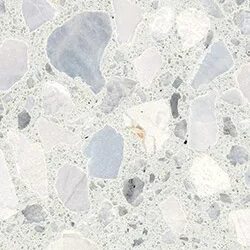
 The in-situ mosaic coating, which is very common today, consists of two parts called fine and coarse mosaic. In-situ mosaic is prepared and applied at the place where the coating is taken, according to other mosaic constructions. Different materials can be added to the mosaic to gain different specialties.
The most striking formation in cast-in-situ mosaic is that it can be applied in the desired color by adding coloring substances into the mixture.
Recommended article, wooden parquet flooring click here to get detailed information about it.
Cast-in-Site Mosaic Features
– Resistant to cleaning agents.
– The construction cost is low.
– All kinds of patterns and shapes can be given on it.
– May harbor bacteria.
– They have a cold appearance.
– Robust and long-lasting.
– It does not contain substances harmful to human health and the environment.
Cast-in-Situ Mosaic Usage Areas: Generally preferred in wet places; It is used in areas such as balconies and terraces. It can be used in residences, commercial and tourism buildings, public buildings, schools, hospitals, town squares, walking paths and parks for many years.
Sometimes, cracks may occur during the casting of the Mosaic. The reason for this is the difference in dosage between the concrete infrastructure mortar and the mosaic mortar of the pour-in-situ mosaic, the inappropriate dosage and the inhomogeneity of the mosaic coating thickness.
 Flooring Systems